

Love

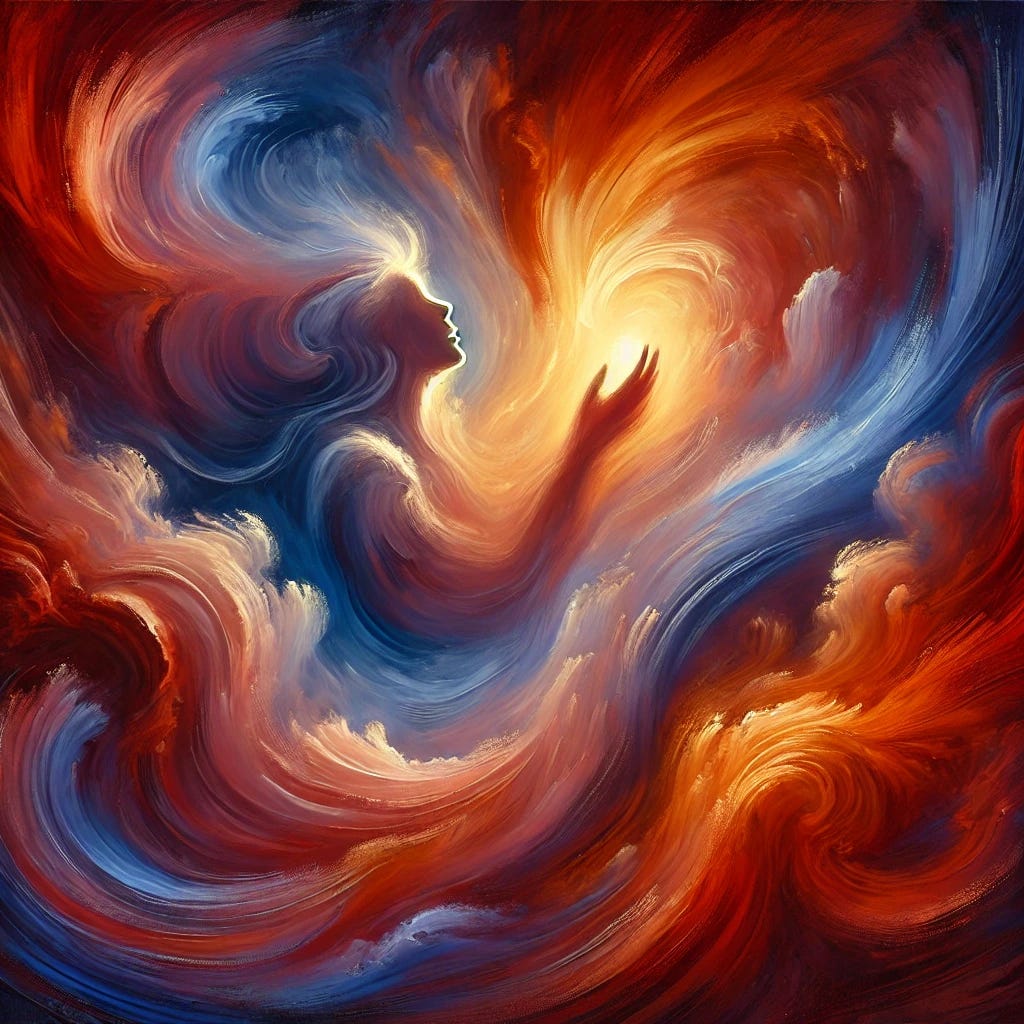
I looked at my patient’s wife this morning, crying, and felt I was witnessing a beautiful sadness. When the husband first came in with a stroke six weeks ago, I remembered the wife crying helplessly. Both of them, in their 80s, were very loving, and were termed “Romeo and Juliet” by the nurses on their first day in the ward. Unfortunately, the husband’s condition deteriorated day by day due to recurrent strokes and pneumonia. However, the wife never gave up, and together with her, I didn’t want to give up either.
Today, after a grim-looking scan and a team consensus, we felt it was time to prepare the wife for the worst. She was strong when I relayed the news, having thought it through and not wanting her husband to suffer. She didn‘t want to hold on to him selfishly, knowing his pain would equal hers. She was prepared to let her husband be with the Lord, believing he would be in a better place.
When I look at her grieving, I know she will never feel what I feel, that I’m witnessing such a beautiful moment of sadness. It was a lifetime of love, well-spent together, forged in deep connection and knowing when to let go.
Love doesn‘t just come in the form described. Love comes in different masks and forms. From the relative who waits in the ward room, ready to pounce on us once we enter, to the relative who prepares a long list of questions every time they enter the consult room, and even the angry wife seated in the consult room, complaining about her husband not taking his medication. And when one understands the intention behind their actions, it makes answering the long list of questions during each ward round much easier.
Dr. Zhao Yi Jing is a neurologist who practises at Mount Elizabeth. She loves to frustrate herself with impossible jigsaw puzzles, then happily abandons it to watch Kdramas.
Beautiful insight in observation too